
Holiday Cottages in Polzeath
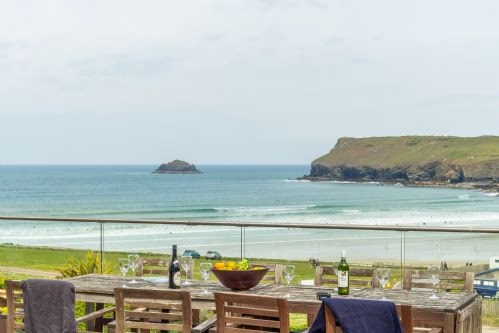
Polzeath is a beach-centred north Cornwall village known for its broad sandy bay, surf and nearby headland walks. It suits visitors who want the beach to shape the holiday, rather than a fishing harbour or estuary as the main attraction.
Find your cottage




Why Stay Here
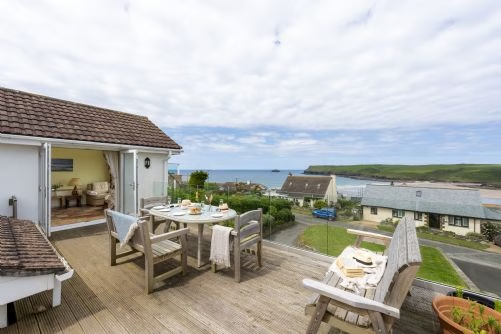
Check which end of the bay your cottage is near, parking arrangements and the actual path to the sand. Surf, tides and seasonal dog restrictions affect how the beach can be used.
About the Destination
The beach is the centre of Polzeath
Polzeath’s sandy bay is the main draw, with surfing and beach activity forming much of its character. The tide changes how much sand is available, and Atlantic surf conditions can be demanding. This is not the same experience as the estuary shore at Rock.
A compact but connected stretch of coast
New Polzeath lies above the northern end of the bay and offers a different position for cliff and headland outings. Roserrow is set back from the beach, while Rock provides access towards Daymer Bay and the Camel Estuary. These places may be close together but should not be treated as interchangeable accommodation locations.
Things to do
From sand to headland
Explore the beach, walk towards Pentire Headland when conditions allow, or follow the coast towards nearby coves. Visit Cornwall’s Polzeath guide provides the broader beach and surf context.
Explore nearby
Compare New Polzeath, Roserrow and Rock for different bases around the same stretch of north Cornwall, or read the wider Cornwall guide.
Frequently asked questions
Is Polzeath best known for surfing?
Yes. Its broad Atlantic beach attracts surfers, although surf conditions and safety arrangements vary.
Are Polzeath and New Polzeath the same place?
They are neighbouring settlements associated with the same bay, but accommodation positions and walking routes differ.
Is Polzeath the same kind of beach as Rock?
No. Polzeath is an exposed Atlantic beach; Rock sits on the sheltered Camel Estuary.
Can I walk to other places from Polzeath?
There are coastal routes towards nearby bays and headlands. Check gradients, tide conditions and route guidance.